

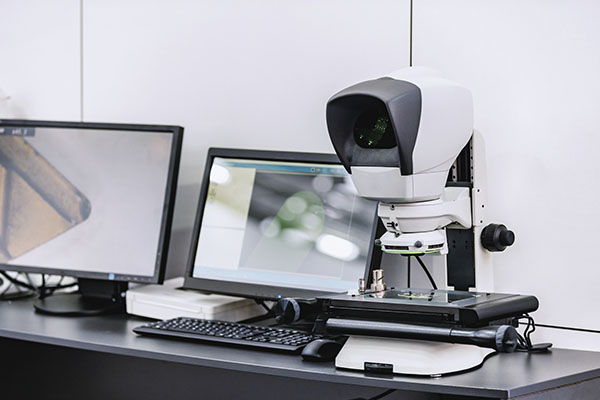
The new industrial era comes with machines that talk, learn, and decide. The Fourth Industrial Revolution mixes digital, physical, and biological worlds. It changes how people work, live, and even envision the future.
What Is the Fourth Industrial Revolution?
The term describes the next step after the computer age. It started around the beginning of the 21st century when the internet, sensors, and data started connecting everything. Machines not only follow commands–they understand patterns and make choices.
This revolution includes artificial intelligence, robotics, 3D printing, the Internet of Things, and biotechnology. Each part grows fast, and together they make a strong network of smart systems.
The idea was first explained by German engineer Klaus Schwab. He said that new technologies will blur the line between humans and machines. Today we can see it in real life–phones that know your habits, cars that drive themselves, and factories that think like brains.
Main Technologies of This Era
Each industrial revolution brought new power. Steam made the first one, electricity made the second, and computers made the third. Now data and connectivity make it fourth.
Machines collect information through sensors, share it, and react without human command. This makes production faster and smarter. For example, one robot can tell another robot when to slow down or replace a part.
Artificial intelligence provides the system the ability to learn from mistakes. The more data it acquires, the better it becomes. That is why modern industry grows like a living organism–learning every day.
How Industry Changes with Smart Systems
Factories now look different. Old heavy machines replaced by flexible robots. Workers do not only build; they also control and teach technology.
Data is new energy. It flows between devices, people, and systems. Production decisions come from algorithms that determine the best way with less waste.
Maintenance also changes. Before, people waited until the machine broke. Now sensors predict problems before they happen. This approach saves time, materials, and money.
Key fields using Industry 4.0 ideas:
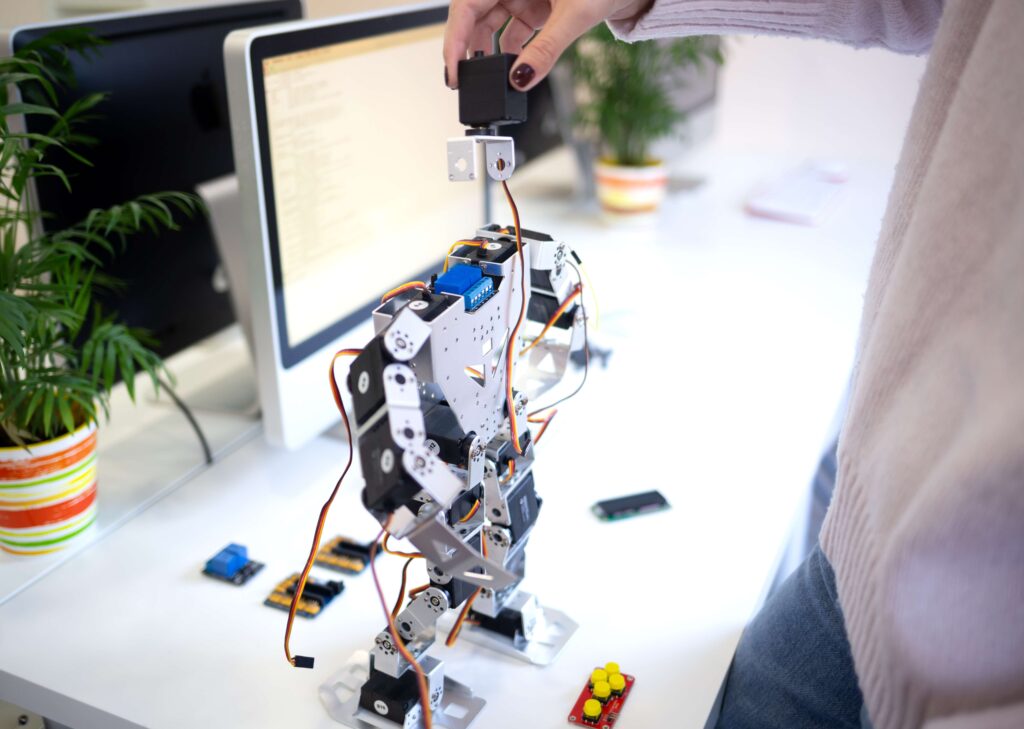
- Smart manufacturing and logistics.
- Health technology with real–time monitoring.
- Agriculture with connected devices.
- Smart cities and energy systems.
These fields already show how digital and physical mix into one living system.
How It Affects People and Jobs
When machines become smarter, people must get smarter too. This does not mean robots take all jobs. It means jobs change shape. Simple, repetitive work goes away, but new creative and technical roles appear.
Workers need to learn how to work with data and automation. Digital literacy becomes as important as reading and writing. Schools and companies now add coding, design thinking, and robotics into programs.
Some fear this change because it brings uncertainty. But many experts say that new skills will open more jobs than they close. The problem is not technology–it is how fast people can adapt.
Challenges in the Fourth Revolution
Every big change brings problems. In this era, the main issues are privacy, inequality, and control.
Smart systems collect huge amounts of data. Who owns it? Who uses it? Without clear rules, people may lose trust. Also, countries with less access to digital tools may fall behind.
Governments and organizations try to build balance between innovation and protection. Europe creates strong data laws, while global tech companies start speaking about ethical AI. These discussions are part of industrial evolution too.
Social and Ethical Impact
Technology touches not only work but also human behavior. Social media shape opinion, algorithms choose what people see, and online identity becomes part of real identity.
Some scientists worry that people depend too much on smart systems. Others say that this dependence can free human time for creativity and science.
The main question stays open: how to keep human control while using machine intelligence. Education, open data, and global cooperation can help to build a safe digital future.
Global Difference and Cooperation
Not all countries go through revolution at the same speed. Some nations, like Germany, Japan, and South Korea, have already built smart factories. Others only start digital transformation.
International cooperation has become crucial. If technologies grow unevenly, the world economy can break into separate zones. Sharing knowledge, training workers, and open standards can reduce this gap.
Many international groups now create programs for Industry 4.0 skills and innovation centers. These centers connect startups, universities, and investors to test ideas before they go to market.
How Business Transforms
Traditional business models change too. Companies now sell not only products but also services and data around them. For example, a machine company may sell “hours of uptime” instead of the machine itself.
Decision–making moves from top management to a network of data–driven systems. Small companies can compete with giants if they use automation right.
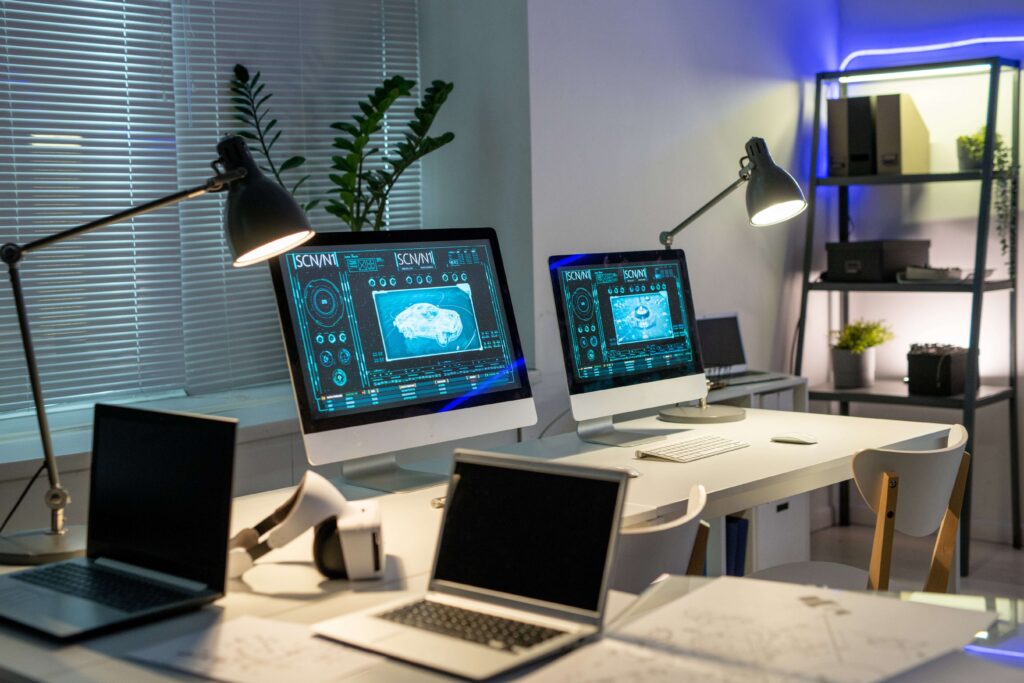
Supply chains become transparent. Each product has a digital twin–a model that shows its full life from creation to recycling. This helps reduce waste and improve quality control.
Education for the New Era
The learning system must change fast. Schools and universities start building programs for Industry 4.0 skills–coding, automation, system design, and critical thinking.
Companies also open their learning platforms. Workers can study online while doing their job. Lifelong learning has become a normal part of a career.
Skills needed for the Fourth Industrial Revolution:
- Digital and data literacy.
- Problem solving and creativity.
- Emotional intelligence.
- Adaptation and teamwork.
- Ethical thinking about technology.
These are a mix of human and technical skills that make the future economy stable.
Comments are closed